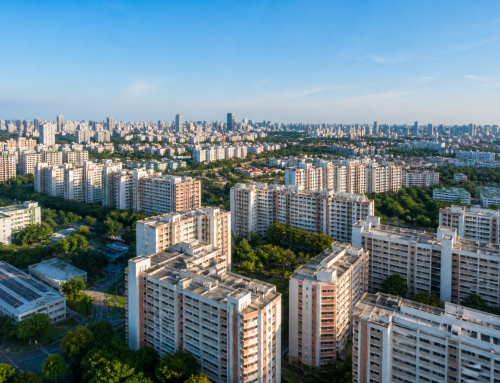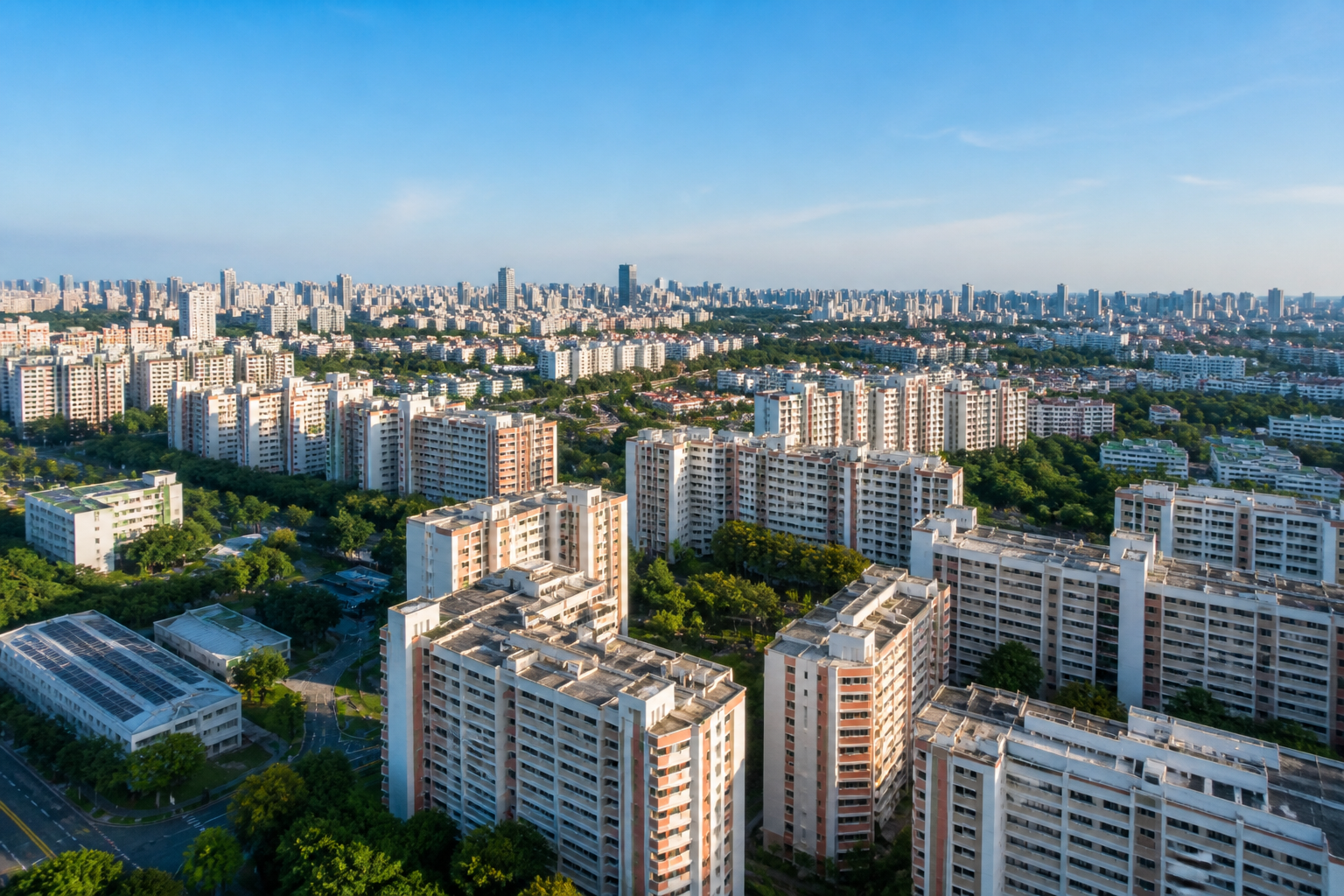
When a divorce involves an HDB flat, the outcome is rarely just “sell and split.” In many cases, one party retains the flat — and that means going through HDB’s transfer of ownership process rather than a standard resale.
Understanding how that transfer works, and what it costs, saves a lot of confusion after the court order comes through.
What “transfer of ownership” actually means
In HDB’s terms, transferring ownership after a divorce means removing one co-owner from the flat’s title and vesting full ownership in the remaining party. It is not a sale. There is no open market transaction, no buyer, and no HDB resale process involved.
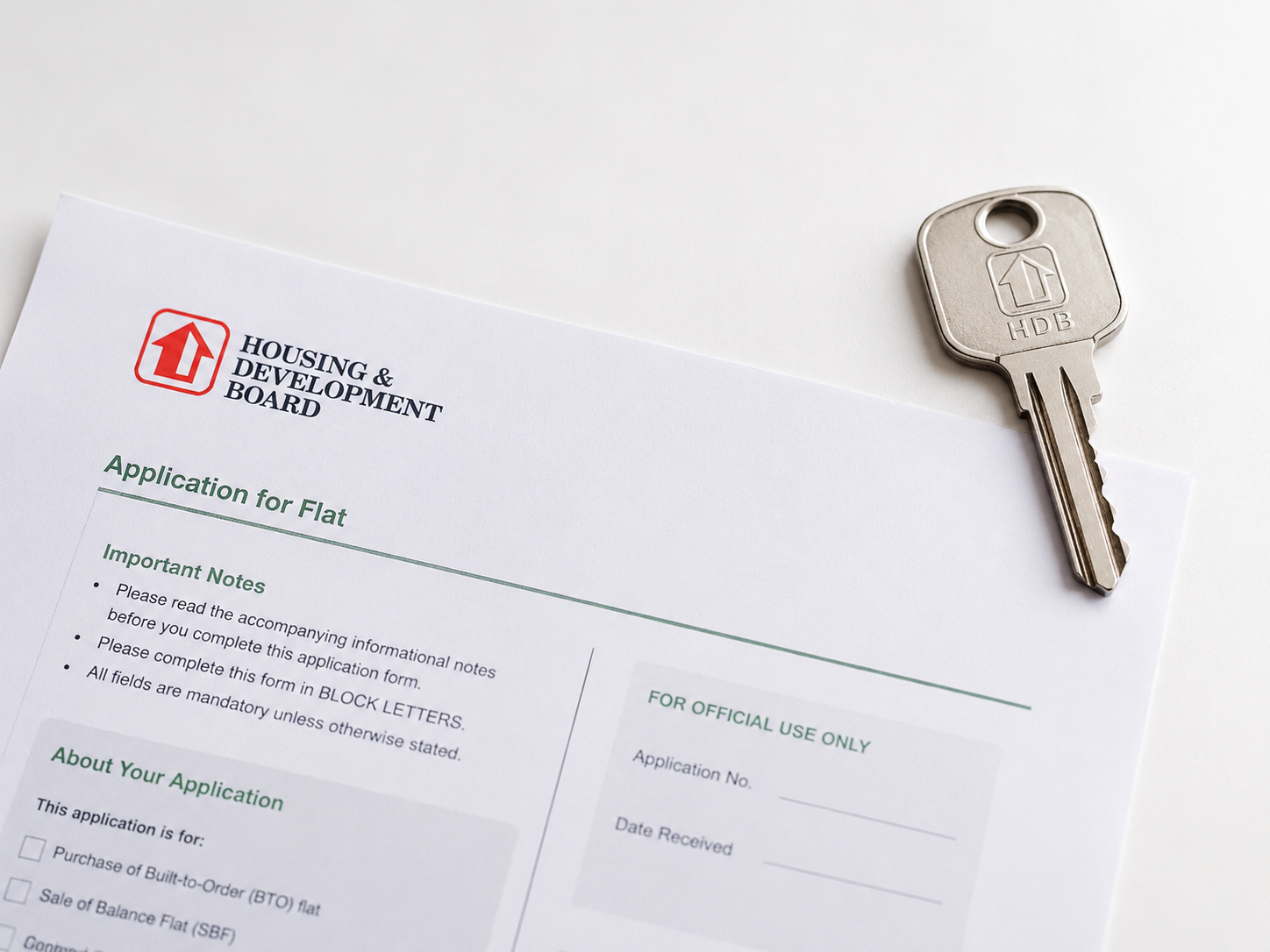
But it is still a formal HDB application — and HDB has eligibility conditions the retaining party must satisfy before the transfer is approved.
What HDB looks at
The retaining party must meet HDB’s ownership eligibility criteria at the point of application. This includes citizenship, age, family nucleus, and whether they hold any other property. If the retaining party already owns a private property, the transfer will not be approved without first disposing of it.
HDB will also look at whether the retaining party can service the mortgage alone. If the original loan was based on two incomes, the financial assessment gets re-run on one.
The CPF piece
Any CPF used by the outgoing party — principal plus accrued interest at 2.5% per annum — must be refunded to their CPF Ordinary Account. The exact amount is calculated by CPF Board. Depending on what the court order specifies, this refund may happen at the point of transfer or be deferred to when the flat is eventually sold. If deferred, the obligation sits inside the flat and the retaining party inherits it at eventual sale.
This is one of the numbers worth calculating early. It affects whether the buyout is financially viable — and whether the retaining party has enough CPF or cash to execute it.
The court order drives the timeline
HDB will not process the transfer without a court order or consent order that specifies the outcome. The order is the legal authority for the transfer. Once it is in place, the retaining party applies to HDB, and the process typically takes several months to complete.
For a full breakdown of what happens to your HDB flat after divorce — including all three possible outcomes, the HDB application process, and how CPF works in each scenario — this guide on HDB transfer of ownership after divorce in Singapore covers it in detail.
What this means for Park Colonial residents
Residents who hold an HDB flat alongside their Park Colonial unit face an additional layer during a separation. Retaining the HDB flat while owning private property is not straightforward — HDB’s eligibility rules create a sequencing requirement that affects the overall asset split and timeline.
Getting clarity on the HDB side early makes the rest of the process easier to manage.