Most people going through a divorce understand that the court decides who keeps the flat. What fewer people know is what actually happens after that decision — the transfer process itself, how long it takes, and what can derail it.
If you’re at the point where the Ancillary Matters order has been issued and one party is keeping the flat, here’s what the HDB transfer process looks like on the ground.
What “transfer of ownership” actually means
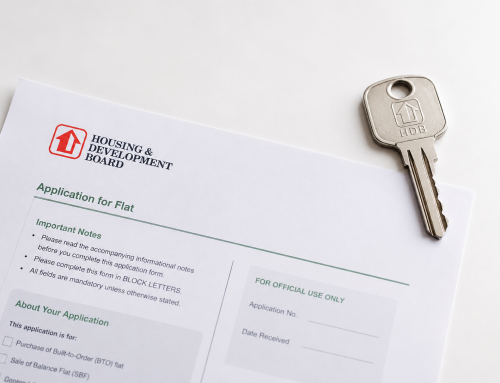
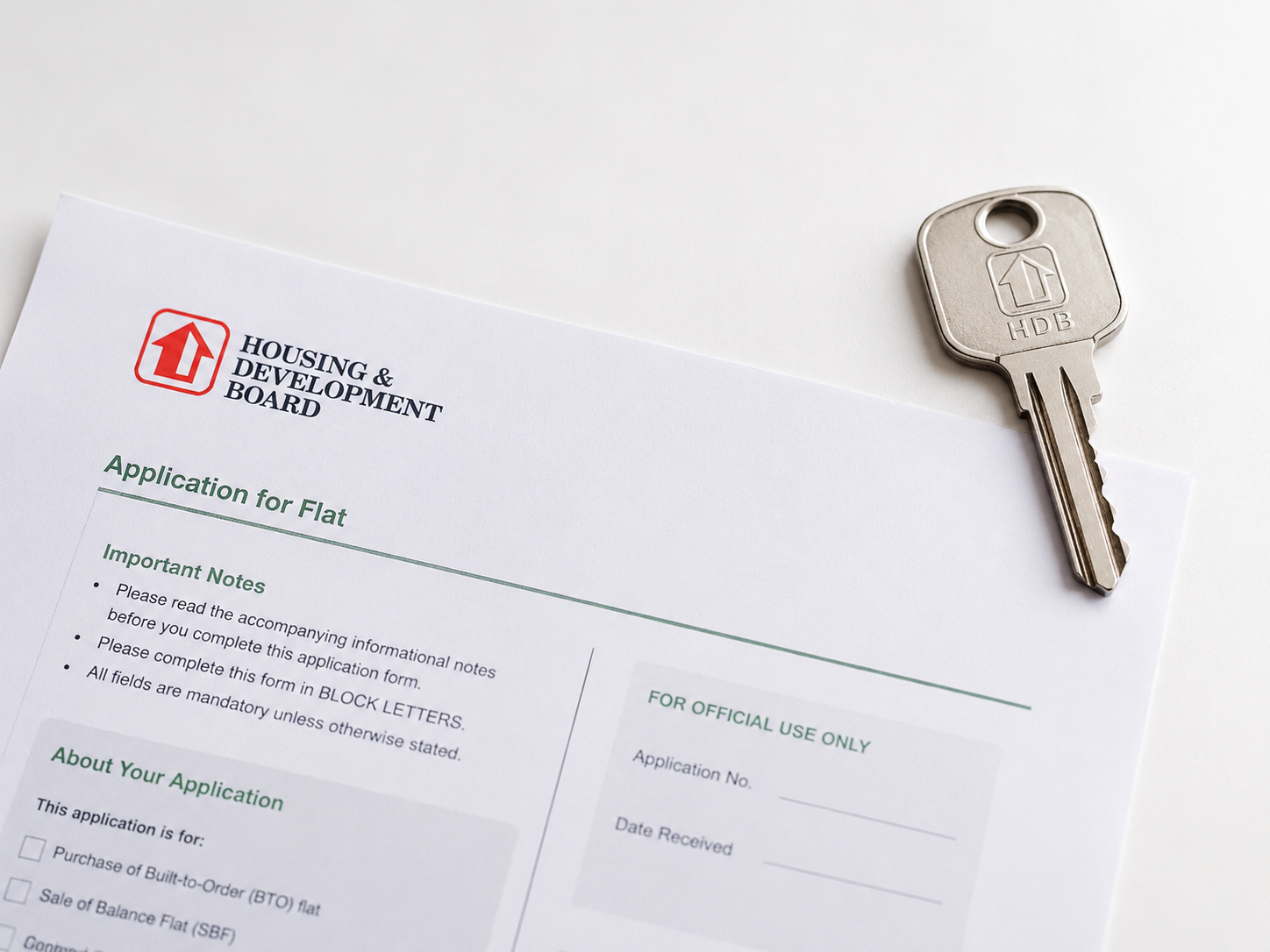
A transfer of ownership in the context of HDB divorce means removing one co-owner from the title and leaving the other as the sole owner. It is not a sale. No money changes hands on the open market. But it is a legal and administrative process that involves HDB, CPF, and usually a lawyer or HDB-appointed solicitor.
The court order tells you what must happen. HDB tells you how.
Step 1: Confirm eligibility first
Before HDB processes any transfer, the party staying in the flat must pass an eligibility check. This covers citizenship, age, income ceiling (for certain flat types), and whether the flat has cleared its Minimum Occupation Period.
If the remaining party doesn’t meet the criteria — for instance, they already own another property, or they’re a Singapore PR without a Singaporean co-owner — the transfer cannot proceed and the flat typically has to be sold instead.
Step 2: CPF refund calculation
The party leaving the flat doesn’t just walk away. Any CPF funds they used to purchase or service the mortgage must be refunded to their CPF Ordinary Account, with accrued interest. This is calculated by CPF Board and must be settled as part of the transfer.
This is where many couples get surprised. The CPF refund obligation can be substantial — sometimes more than what the staying party can pay out of cash or their own CPF. If the numbers don’t work, the transfer falls through and the flat goes to open market sale.
Step 3: Engage a solicitor
HDB transfers in divorce cases require a solicitor to handle the legal paperwork. Some couples use HDB’s own appointed solicitors (cheaper), others engage their own. Either way, the solicitor handles the transfer deed, coordinates with CPF, and liaises with HDB to complete the title change.
The full process — from submitting the application to HDB to getting the new title registered — typically takes two to four months, sometimes longer if CPF calculations are disputed or documentation is incomplete.
For a full breakdown of how HDB divorce works in Singapore — from the court order stage through to transfer eligibility, CPF mechanics, and what happens when parties disagree — there’s a detailed guide on HDB transfer of ownership after divorce in Singapore that covers each stage clearly.
Why this matters for Park Colonial residents
Upgraders from HDB often still hold their previous flat during the transition period. If a separation happens while an HDB flat is still part of the asset picture, the transfer process runs in parallel with — and sometimes delays — whatever is happening on the private property side.
Understanding the HDB transfer mechanics early, before the court order is finalised, helps avoid bottlenecks later.
Getting help
The transfer process is procedural, but the decisions leading up to it — who keeps the flat, how the CPF shortfall gets resolved, what happens if one party refuses to cooperate — are where things tend to get stuck. A property agent who specialises in HDB divorce cases can help map out the options before you’re locked into a direction.